Colorado School of Mines Laboratory Hazardous Exhaust Fan Replacements
Location: Golden, CO
Size: ~140,000 SF
Completed: 2024 (Berthoud Hall) 2026 (Coolbaugh/Alderson)
Contact: David Feron, Project Manager
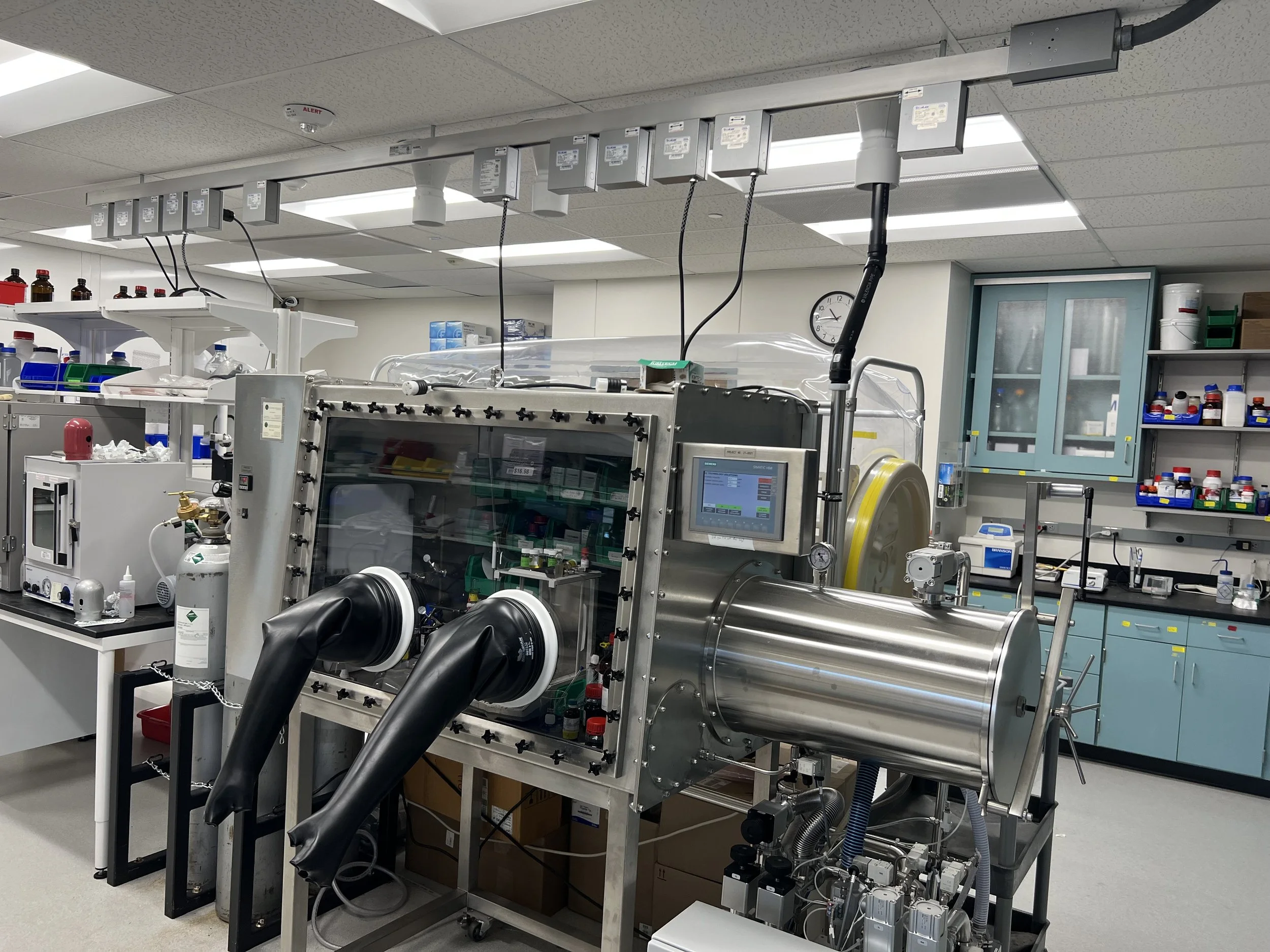
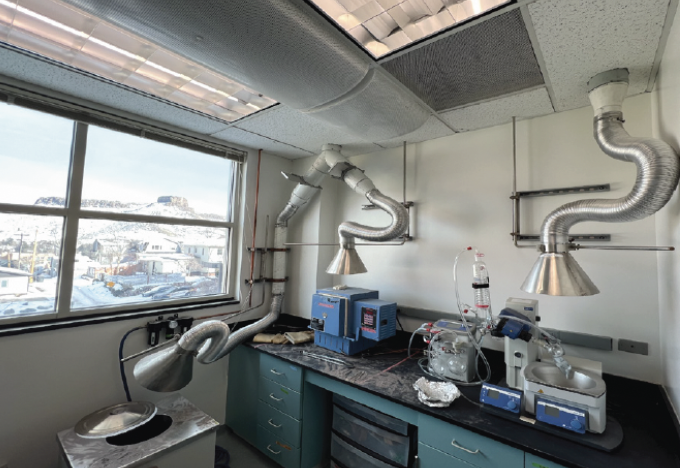
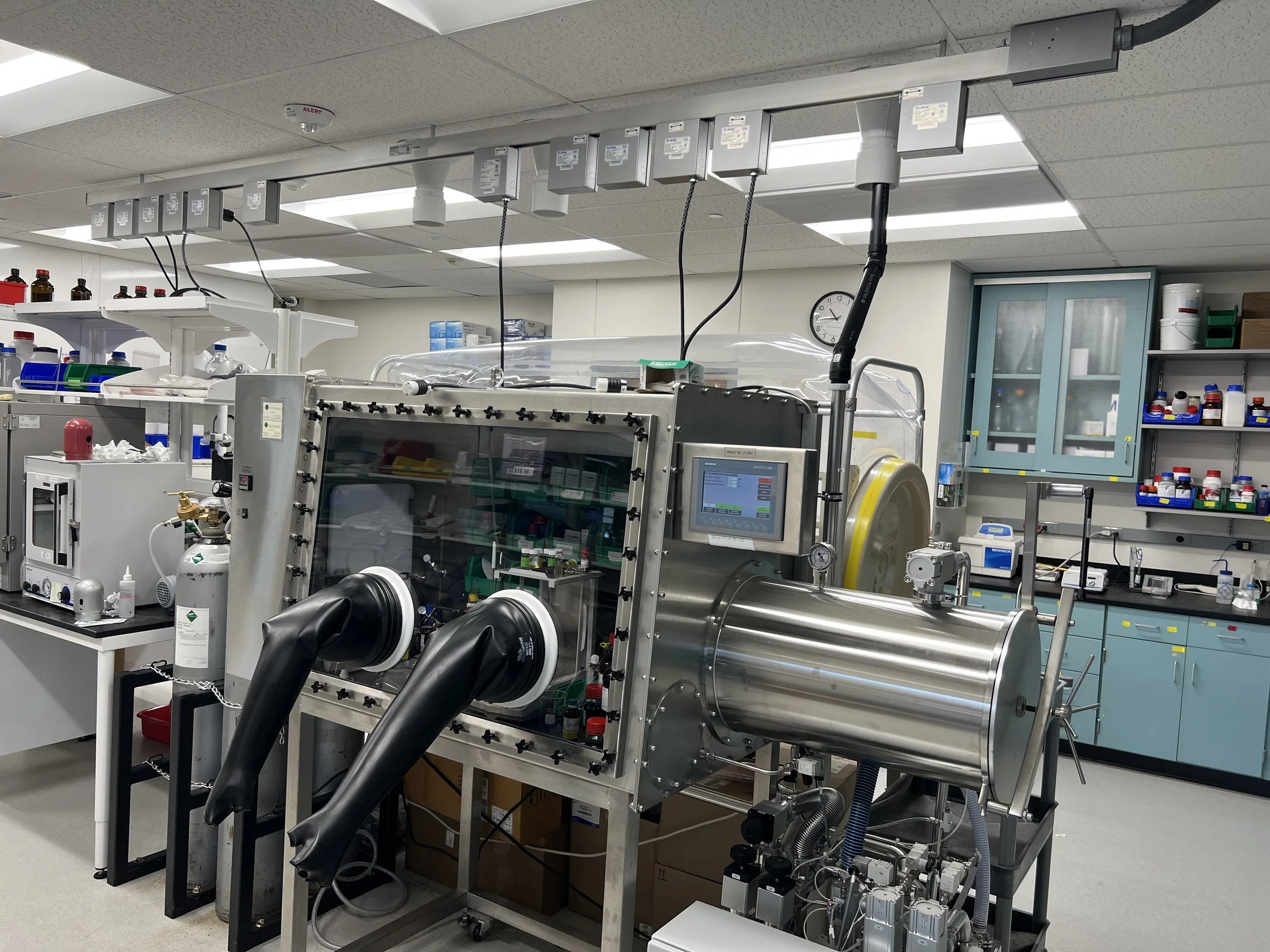
ST+B Engineering led a multi-phase hazardous exhaust system replacement across Coolbaugh Hall, Berthoud Hall, and Alderson Hall at the Colorado School of Mines. These academic buildings contain a mix of teaching labs, classrooms, and research spaces, requiring careful sequencing and coordination to maintain instructional use while upgrading critical ventilation infrastructure. The upgrades impacted over 100 fume hoods and involved detailed evaluation of system capacity, chemical compatibility, ductwork construction, and ventilation code compliance.
In Coolbaugh Hall, a hub for engineering and chemistry classrooms and laboratory instruction, ST+B replaced nine major exhaust fans serving approximately 125,000 CFM of combined constant and variable volume exhaust, including systems with energy recovery. Variable volume systems were modernized with VFDs and optimized discharge configurations, enabling off-hour shutdown and simplified controls. ST+B also evaluated energy-saving strategies and identified potential annual utility savings of roughly $100K. Two perchloric acid exhaust systems were removed/upgraded to NFPA-compliant venturi fans as part of the work.
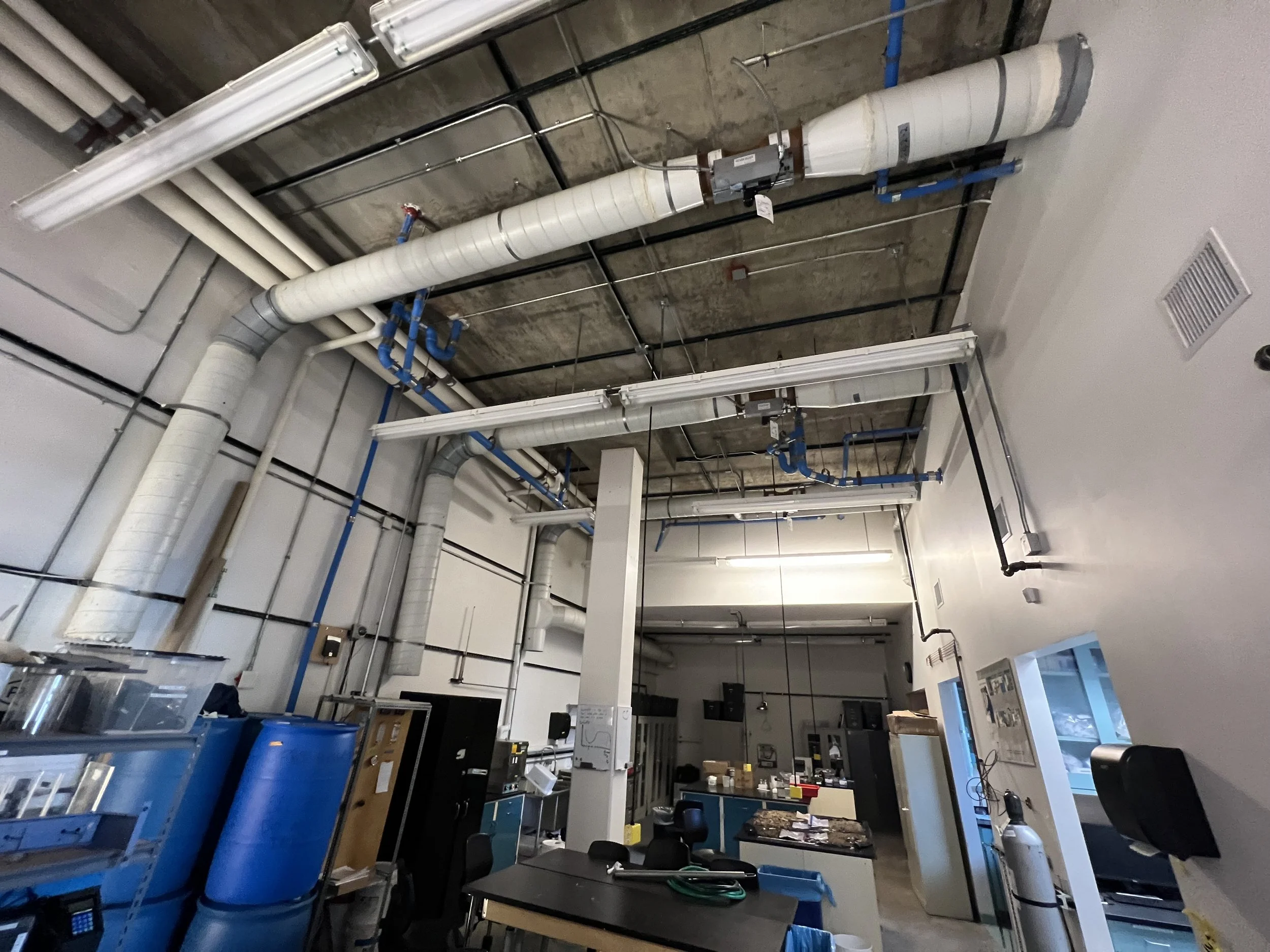
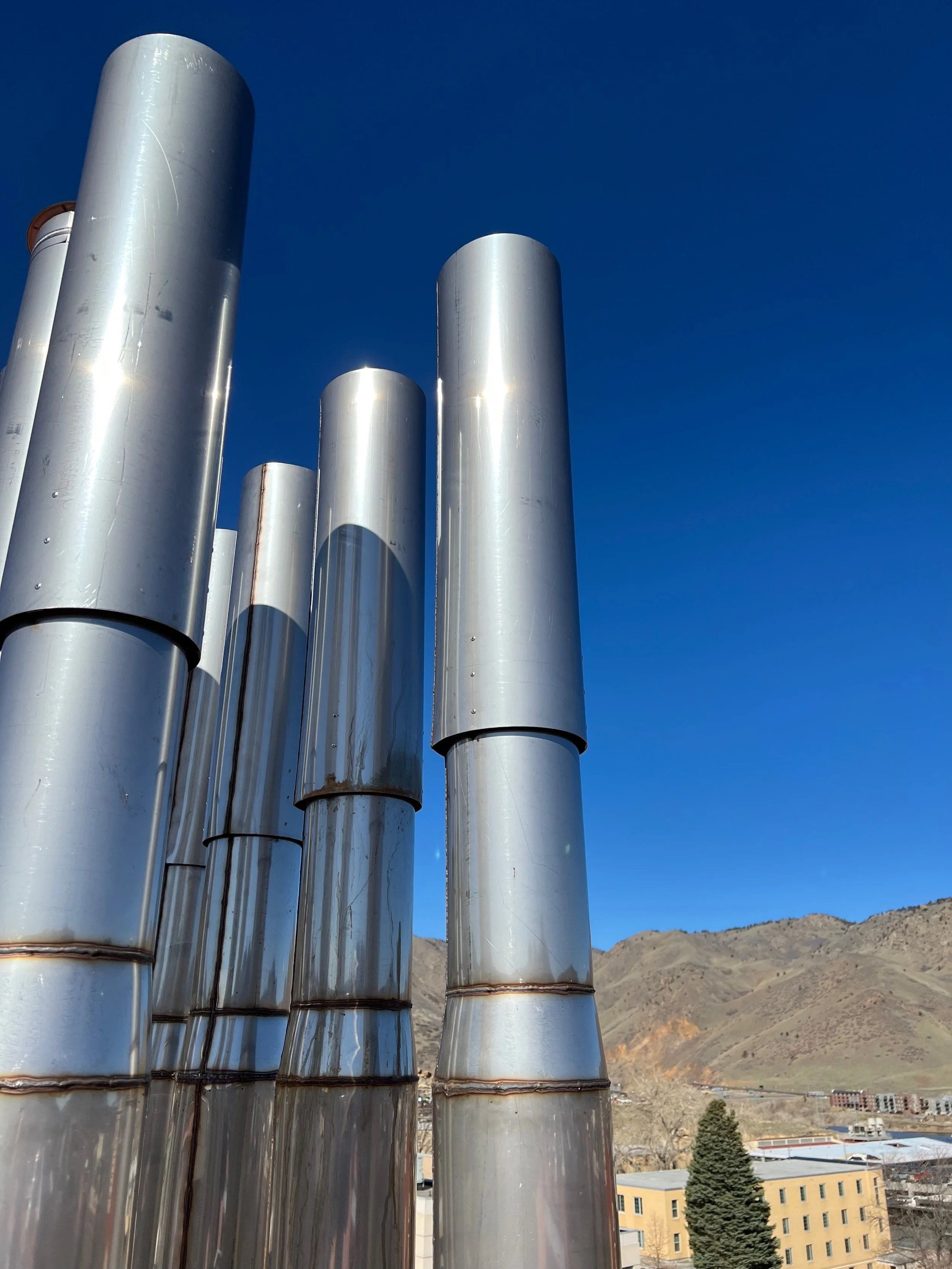
At Berthoud Hall, a facility that includes classroom spaces alongside geology and laboratory zones, ST+B analyzed legacy exhaust infrastructure in this historic building. The team surveyed existing ductwork and pressurization conditions, upgraded rooftop fans and stack assemblies, and selected corrosion-resistant components to handle both geophysical and perchloric acid lab exhaust. Testing, adjustment, and balancing (TAB) services were procured during design to validate system compatibility and performance prior to construction.
Alderson Hall upgrades included replacement of rooftop fans serving chemical engineering labs and associated hazardous exhaust systems. ST+B redesigned lab-side ductwork and vertical stacks to meet required velocities and containment standards. The design accounted for challenging mechanical space constraints on the fifth floor and prioritized long-term serviceability of components in corrosive environments.
Throughout all phases, ST+B coordinated closely with lab users, facilities staff, and instructional departments to minimize disruption to ongoing classes and research activities, ensuring that each system was tailored to the operational demands and safety requirements of the individual buildings